Choosing a sterile C-section surgical pack is not simply a matter of comparing the number of components in each package. For maternity hospitals, procurement teams should evaluate whether the pack matches the hospital’s cesarean section workflow, sterile field requirements, material specifications, packaging method, and applicable standards.
A procedure-specific pack can simplify the preparation of commonly required disposable supplies, but the right selection should be based on measurable specifications rather than general claims such as “high quality” or “high performance.”
1. Start With the C-Section Procedure Requirements
The first step is to identify which components are routinely required for a cesarean section procedure.
A suitable C-section surgical pack may include a Caesarean Drape, Mayo Stand Cover, surgical gowns, hand towels, suction tubing, baby blanket, cord clamp, and back table cover. For example, the referenced C-Section Birth Pack includes a 200 × 300 cm Caesarean Drape, an 80 × 145 cm Mayo Stand Cover, two XL reinforced gowns, and a 2 m suction tip and tube. Product specifications
For procurement teams, the key question is whether these components correspond with the hospital’s established C-section protocol. A larger component count does not automatically mean a better surgical pack.
2. Check Surgical Drape Material and Dimensions
Material specification should be considered alongside drape size and intended use.
The referenced pack offers 45gsm SMMS or 60gsm bi-lamination material options. Its Caesarean Drape is specified at 200 × 300 cm. These parameters provide objective information that buyers can use when comparing different disposable surgical packs. C-Section Birth Pack specifications
WHO guidance also emphasizes the importance of sterile surgical drapes and gowns and notes that materials should be evaluated for their ability to prevent liquid penetration where appropriate.
Therefore, buyers should request material specifications and relevant test documentation rather than relying only on terms such as “durable,” “reliable,” or “premium.”
Why Material Documentation Matters
For hospitals purchasing in larger volumes, consistent material specifications can make supplier comparison more transparent. Procurement teams can record the material type, basis weight, dimensions, and applicable performance documentation as part of the technical evaluation.
3. Verify Sterilization and Individual Packaging
Sterilization and packaging are particularly important when selecting a sterile C-section pack.
The referenced product uses EO gas sterilization and is supplied as an individual sterile package, with one pack per sterile pouch and 10 packs per carton. The listed shelf life is three years. Packaging and sterilization details
WHO recommends that healthcare facilities have processes to ensure the reliable availability and sterility of surgical drapes and gowns.
For procurement, this means checking more than the word “sterile.” Buyers should verify the sterilization method, packaging configuration, shelf-life information, labeling, and documentation required by their local regulations.
4. Compare Standards and Supplier Documentation
A supplier evaluation should also include applicable standards and quality-system documentation.
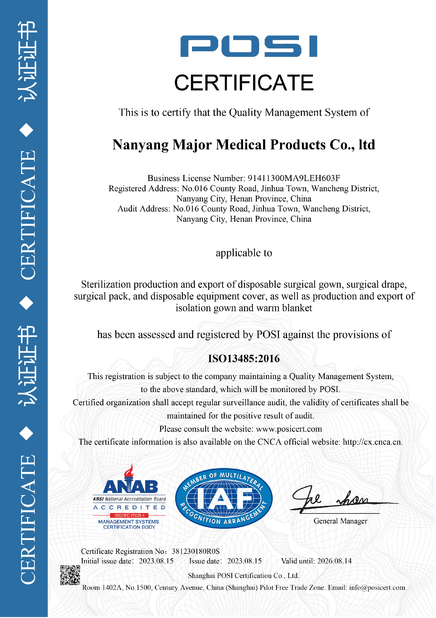
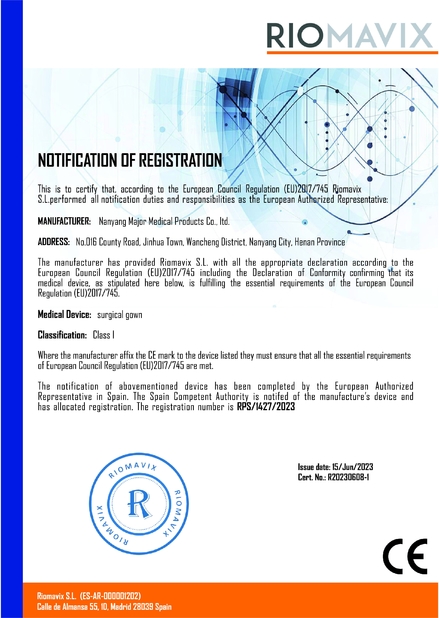
The referenced C-section pack is listed with EN 13795, CE, and ISO 13485 information. Technical and compliance information
These references should be treated as procurement verification points rather than automatic proof of superior clinical performance. Hospitals should confirm that the documentation applies to the specific product, configuration, and target market.
5. Use a Specification-Based Selection Checklist
Before purchasing a C-section surgical pack, maternity hospitals can compare:
- Procedure fit: Are all routinely required components included?
- Material: Is the SMMS, bi-lamination, or other material specification clearly stated?
- Drape dimensions: Do the dimensions match the operating room workflow?
- Sterilization: Is the sterilization method documented?
- Packaging: Is each pack individually sterile packaged?
- Standards: Are relevant standards and certifications documented?
- Shelf life: Is the stated storage period suitable for inventory planning?
- Customization: Can the component configuration be adapted to the hospital’s procedure requirements?
This specification-based approach allows procurement teams to compare C-section surgical packs on measurable criteria rather than marketing descriptions. For maternity hospitals, the most suitable sterile pack is ultimately the one that aligns with the established C-section procedure, documentation requirements, and operating room workflow.


 Your message must be between 20-3,000 characters!